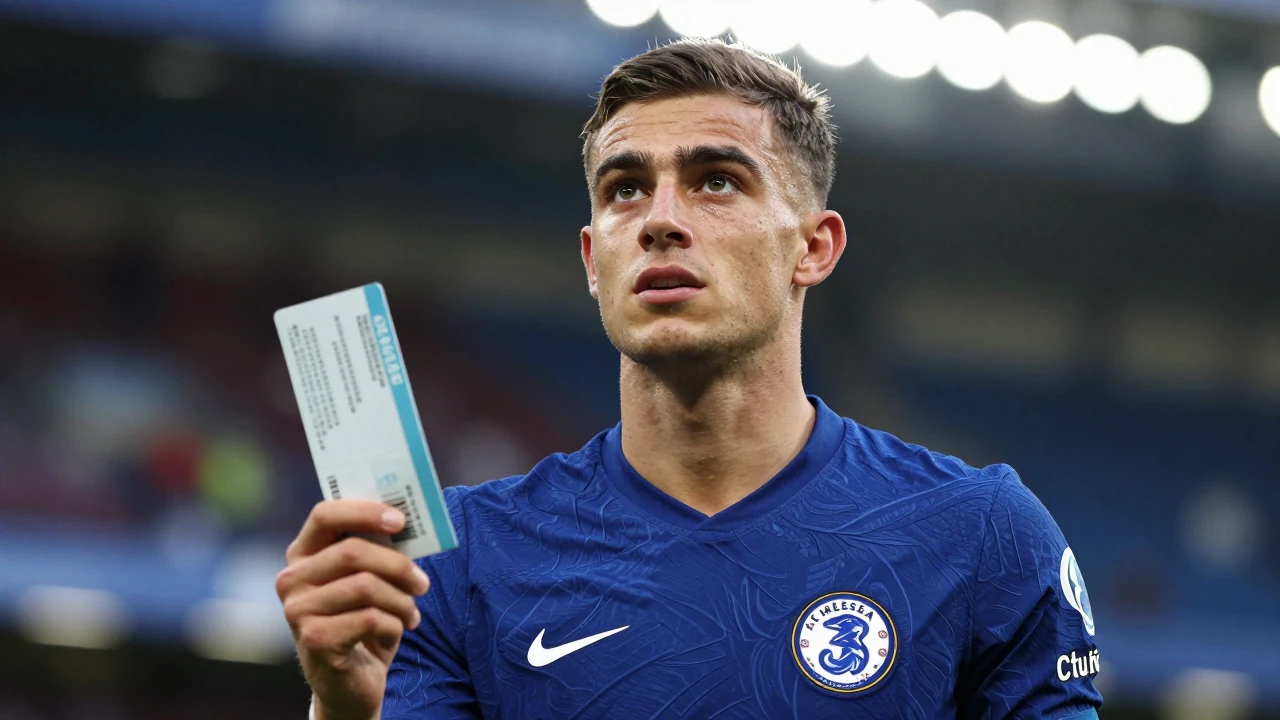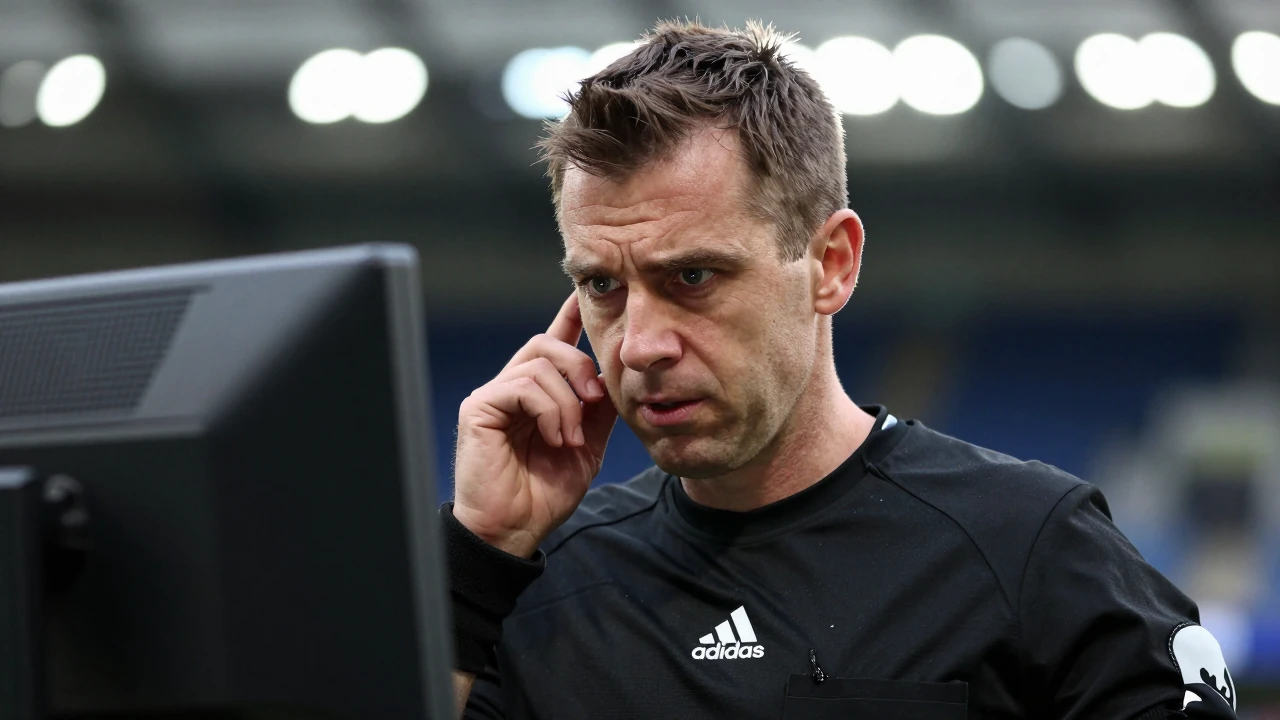
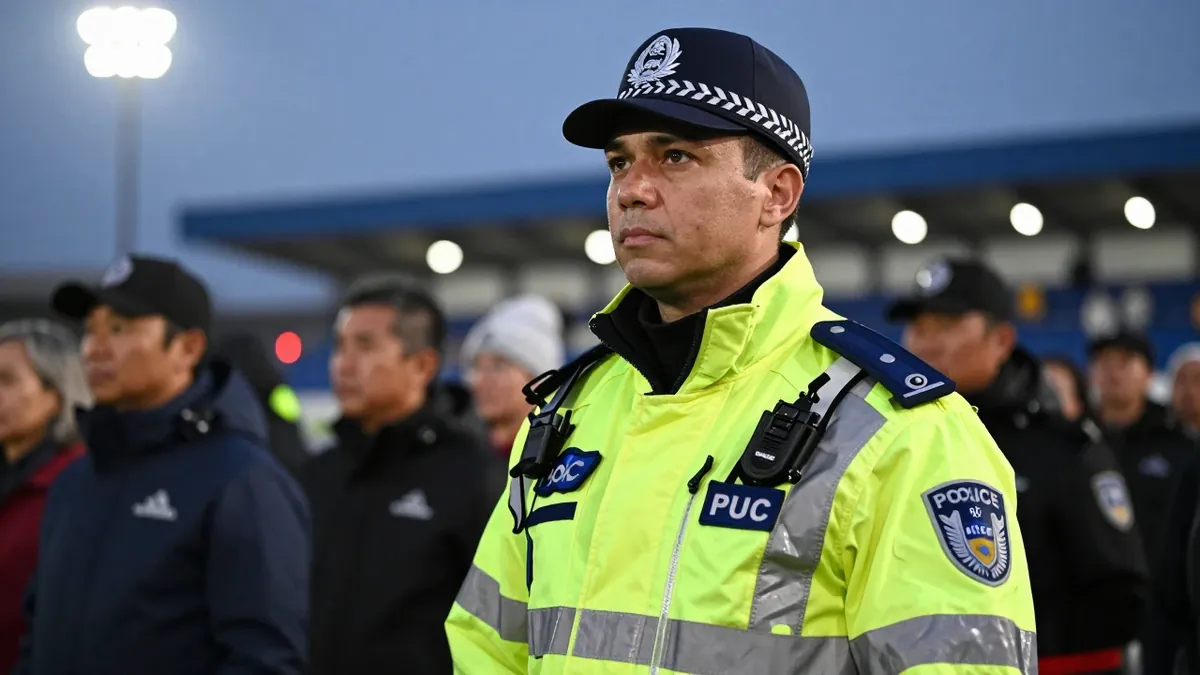
Chelsea FC's 2-1 defeat at Arsenal on Sunday was policed by a major Metropolitan Police operation. The matchday commander, Chief Inspector Pete Dearden, oversaw a strategy focused on known threats rather than a blanket approach.
Chief Inspector Pete Dearden, the senior officer in the Met's public order command, said the force's mantra is "safety, security and service." He described the Emirates Stadium clash, which kicked off at 4.30pm, as a "medium medium" risk event. The loss leaves Chelsea fourth in the Premier League with six points from three games, three points behind leaders Manchester City.
The Metropolitan Police deploys 17 dedicated football officers, each working full-time with a specific club. For this fixture, three police support units were assigned, each containing an inspector, three sergeants, and about 21 constables. They were supported by senior team members and 20 operational football officers, known as spotters. These locally based spotters are considered highly effective, with Dearden noting they can do the work of roughly double the number of standard public order officers. Arsenal's own in-house safety team contributed around 1,000 stewards and response personnel. A bronze commander, Inspector Rachel Duckett, was present at ground level to coordinate the response.
A Premier League-funded pilot saw two police vans equipped with live facial-recognition cameras scanning the crowds. The system checked faces against a watchlist containing several thousand people subject to football banning orders and individuals wanted for serious crimes. During the two-hour pilot, six interventions were triggered. One of these involved a spotter performing CPR on a supporter in need of medical assistance. The overall cost of policing football in London is approximately £23 million per season, with clubs reimbursing about 10% for special police services.
The match itself saw a late Chelsea attempt for an equaliser, but Arsenal held on for a 2-1 victory. After the final whistle, a dozen incidents were logged by police. These included two arrests-one for assaulting a steward and another for racial abuse and assault. Ten further reports were made for offences including drinking in view of the pitch, throwing missiles, a low-level assault on a steward, homophobic chanting, and drug possession. Dearden stated the count was "slightly higher than we'd like" but indicated it reflected proactive policing. A half-time briefing brought together medical services, the London Fire Brigade, the local authority, the Premier League, and British Transport Police.
The defeat is a setback as Chelsea prepares for its next challenge. The team has scored eight goals but conceded seven this season, for a +1 goal difference. Manager Enzo Maresca must also contend with a depleted midfield, as Jordan Henderson, Marco Palestra, and Moisés Caicedo are currently sidelined. The focus now shifts to a home fixture against high-flying Hull City, who are third in the table, on September 12. Fans can track the team's recovery and upcoming schedule on the club's fixtures and injuries pages.