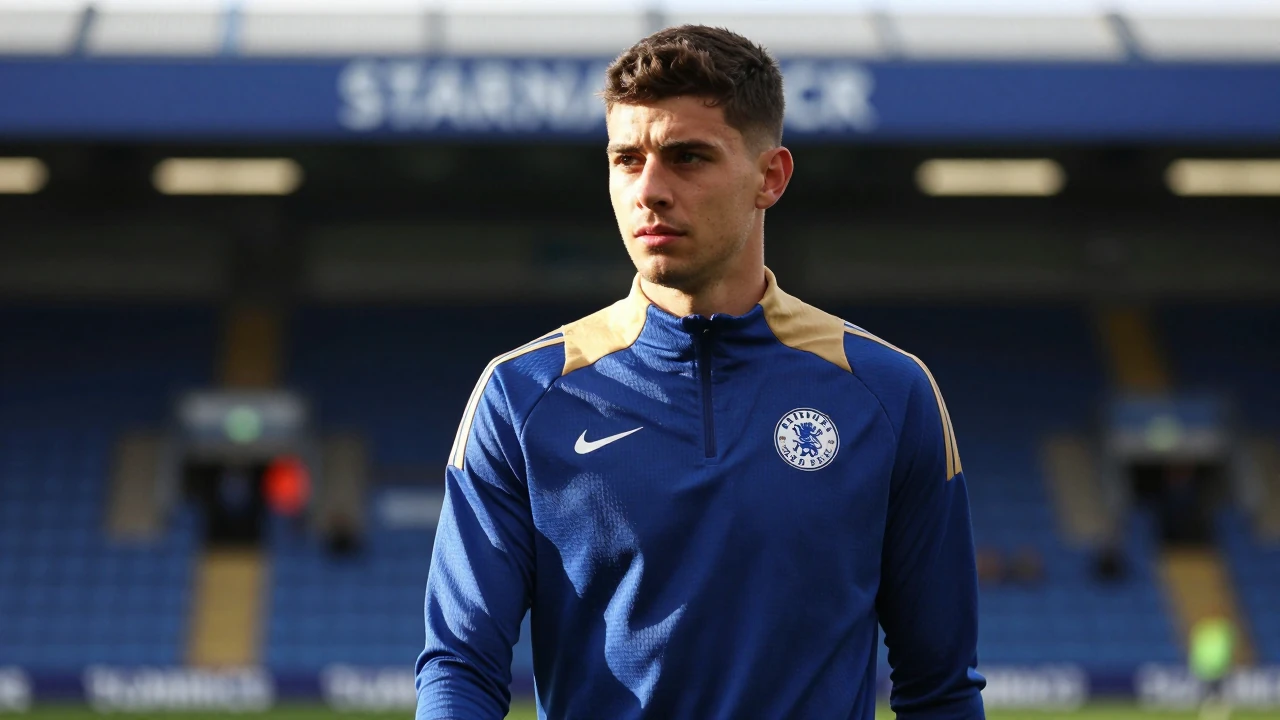

Aston Villa manager Unai Emery has bluntly described the recent transfer activity between his club and Chelsea FC as a purely financial arrangement. His comments follow a summer that saw several high-profile moves between the two Premier League sides, continuing a four-year trend of significant business.
Chelsea currently sit third in the Premier League table with six points from two wins, having scored seven goals and conceded five. Their next challenge is an away trip to face Arsenal on September 6. This context arrives amid a busy period of squad movement, with the club also managing injuries to Jordan Henderson, Enzo Fernández, and Marco Palestra.
Unai Emery did not mince words when asked about the relationship between Aston Villa and Chelsea. "It's not a good relationship, it's a deal for money," the Villa boss stated. He further characterized the competitive nature of the dealings, adding, "They want to kill us and we want to kill them." These remarks highlight the transactional and adversarial undercurrents of a transfer window that has seen multiple players switch clubs.
The exchange of players between Chelsea and Aston Villa is both recent and historical. Over the past four years alone, eight players have moved between the clubs. Since 2022, Chelsea have paid Aston Villa a total of £163.5 million for players, while Villa have spent £102.5 million on acquiring talent from Stamford Bridge. This summer's business included Axel Disasi's £5 million loan move to Villa, Morgan Rogers' £117 million transfer to Chelsea, and Nicolas Jackson's £65 million permanent switch to Villa. Alejandro Garnacho also joined Villa on a loan with a conditional obligation to buy, a deal valued around £43 million.
This modern activity builds on a longer history of shared personnel. Former Chelsea captain John Terry joined Villa after leaving the Blues, and players like Tammy Abraham, Ross Barkley, and Danny Drinkwater have all worn both shirts. Others, including Steve Sidwell and Andy Townsend, have also made the move between the two clubs in years past.
The volume and timing of deals have drawn attention. UEFA regulations allow for scrutiny of transfers completed between the same clubs within a 45-day period. This summer, Garnacho's move to Villa came just two days after Rogers signed for Chelsea, and Jackson's permanent transfer was finalized 38 days after the Rogers deal. Such close succession raises questions, though both clubs have operated within the framework of the rules.
Chelsea's ownership structure, with BlueCo taking control in a £4.25 billion purchase in 2022, and Villa's ownership under Nassef Sawiris represent powerful financial entities. Co-owner Behdad Eghbali helps steer Chelsea's strategy. The scale of dealings with Villa is notable, but not unique for Chelsea, who have completed eight transactions with Brighton and five with Arsenal in recent years. Newcastle United and Nottingham Forest have also engaged in six deals between themselves.
The squad reshuffle occurs as Chelsea build momentum in the early season. Their perfect record and positive goal difference provide a solid platform. Integrating new signings and managing absentees will be key for manager Enzo Maresca. The club's activity in the market, particularly with rivals like Villa, shapes a squad aiming to maintain its position near the top of the standings. The immediate focus turns to the upcoming London derby against Arsenal, a fixture that will test the team's early-season resolve and the depth of a squad altered by significant summer business.